Magive: The Modern Serif Font for Handmade Sellers
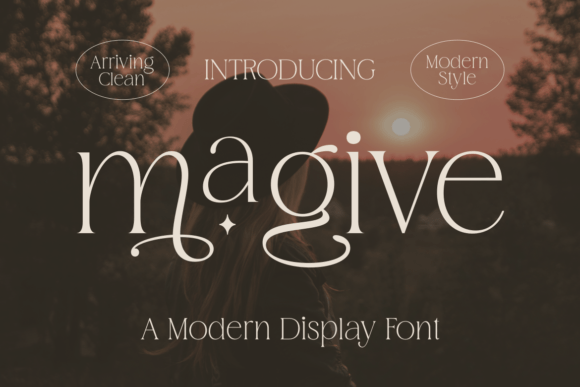
When I first saw Magive, I instantly imagined it on boutique candle labels, crisp wedding invitation suites, and the kind of farmhouse wall art that stops scrollers mid‑feed. Magive is a sleek, modern display serif that pairs clean geometric lines with just enough stylish flair to feel current and intentional. It’s the type of premium font that works equally well for a minimalist business card as it does for a bold tote bag design. For crafters, printable creators, and small shop owners who need their typography to do real selling work, Magive brings a contemporary edge without sacrificing warmth or readability.
Why Magive Stands Out for Craft Projects
Plenty of serif fonts feel either too traditional or overly decorative. Magive sits right in the sweet spot. Its letterforms are crisp and structured, but subtle curves and modern proportions keep the font feeling fresh. This balance matters when you’re creating physical products. A display font needs to grab attention, but it also has to hold up when printed on textured cardstock, weeded from adhesive vinyl, or shrunk down to fit a tiny apothecary label. Magive accomplishes that with clean lines and a personality that’s confident without shouting.
In a world where customers scroll past dozens of similar products, the right typeface can stop them long enough to read your message. Magive’s refined aesthetic signals care and thoughtfulness. It makes a bath soak label feel high‑end, a party invitation feel exclusive, and a farmers market sign feel professionally designed. That perceived quality often translates directly into a higher price point or a faster sale.
Elevate Your Product Presentation with Magive
Think about how many times a single typography choice has influenced your own buying decisions. We don’t always notice it consciously, but a font that feels off can make a product seem cheap, while a cohesive, well‑chosen typeface builds trust. Magive helps you create that trust. Used consistently across your sticker packs, thank‑you cards, and product boxes, it reinforces your brand identity. Customers start to recognize your style even before they see a logo.
For handmade sellers juggling dozens of SKUs, consistency is gold. Magive’s modern serif character gives you a reliable anchor. You can use it for all primary text—product names, event titles, short quotes—and then swap out supporting fonts for seasonal variety. The visual thread stays strong, but the designs never feel repetitive. This approach works especially well if you sell digital printables or templates, where your font choices literally become part of the customer’s own creative toolkit.
Practical Uses: From Candle Labels to Wedding Signs
I always test a new display font by imagining it on real products I actually sell or see at craft fairs. Magive passes every test. Here are just some of the ways it can slot into your existing lineup:
- Handmade candle labels: Matt black labels with Magive in crisp white feel luxurious and classic. Pair with a delicate script font for the scent name, and you instantly have a product that photographs beautifully.
- Birthday invitations and greeting cards: Whether you’re printing at home or sending PDF files to clients, Magive gives an upscale birthday suite a polished, editorial look without overwhelming the design.
- Wedding stationery: Think welcome signs, table numbers, and ceremony programs. Magive’s clean structure is easy to read from a distance, and it complements both rustic and modern wedding themes.
- Farmhouse signs and wall art: The classic serif silhouette with modern spacing makes it perfect for wood slice signs, framed motivational prints, and gallery wall pieces.
- Planner pages and digital printables: Section headers, month titles, and daily habit trackers all benefit from a font that stands out while remaining highly legible at smaller sizes.
- Product packaging and hang tags: Use Magive for your brand name or product line on kraft paper tags, tissue paper stickers, or small jewelry boxes. The contrast between clean typography and natural textures is always a winner.
- T‑shirt and tote bag designs: The bold weight options (if available) or the regular weight pressed onto canvas or cotton create a simple, impactful statement.
- Holiday product packaging: From Christmas market hot chocolate kits to Valentine’s Day treat boxes, Magive adapts effortlessly. Add a little metallic foil or a muted color palette, and the design feels seasonal but not cliché.
What ties all these uses together is the font’s ability to work hard in different contexts while maintaining its distinct personality. It never feels generic, yet it doesn’t clash with the product itself—a rare quality in a display typeface.
Readability and Design for Cutting Machines and Small Items
If you’re a Cricut or Silhouette user, you know the heartbreak of a beautiful font that weeds terribly. Intricate serifs can catch, tear, or refuse to separate from the carrier sheet. Magive’s clean, streamlined serifs reduce that risk. Its strokes are well‑defined without excessive thin hairlines, making it a strong candidate for vinyl projects like mugs, window decals, and custom signs. For heat‑transfer vinyl on shirts or tote bags, the even thickness of many display styles means the lettering presses evenly and resists peeling.
When working on small stickers or compact product labels, always test your font size in a mockup before committing. While Magive remains legible at smaller point sizes thanks to its open counters and clear spacing, the smallest serif details may benefit from slight enlarging or careful material choice. On printable sticker paper or laminated labels, however, those fine details stay crisp. I always recommend doing a quick test print on the exact paper stock you’ll use. A font that looks flawless on screen can behave differently on absorbent kraft card or glossy adhesive sheets.
For mockup previews in your Etsy shop or website, Magive shines. Its modern serif shape communicates quality instantly, helping customers visualize the final product. Whether you’re overlaying text on a digital mockup or photographing your physical samples, the font holds its own at various screen sizes and distances.
Font Pairing Ideas to Complement Magive
Even the strongest display font benefits from thoughtful companions. Magive’s combination of modern geometry and serif elegance means it plays well with several different font styles.
- Script font pairing: For romantic or soft designs—think wedding invitations or feminine product labels—try layering a flowing script font beneath Magive’s structured headings. The contrast between the script’s movement and Magive’s stability creates a timeless, editorial feel. Make sure the script is still legible at small sizes; a medium‑weight calligraphy style often works best.
- Handwritten font pairing: If your brand leans rustic or organic, a clean handwritten font adds warmth and approachability. Use Magive for the main event title and the handwritten style for the date, location, or secondary message. This combination sells beautifully in planner inserts, farmhouse signs, and DIY kits.
- Sans serif pairing: For an ultra‑modern, minimalist look, pair Magive with a simple sans serif font. The sans can handle body text on instruction cards or ingredient lists while Magive anchors the headline. Match their x‑heights for a seamless feel, and choose a sans with a bit of geometric character—something like a sleek humanist sans or a clean grotesk—to echo the contemporary mood.
- Serif pairing: You can also combine Magive with a very simple, workhorse serif font for longer blocks of text. Use Magive for titles and decorative wording, and let a traditional book serif handle paragraphs. This keeps the entire piece cohesive while allowing Magive to stand out where it belongs.
No matter which pairing you choose, the key is contrast without conflict. Magive’s bold, modern personality can anchor almost any combination, provided the supporting font doesn’t compete for attention on the same line.
What to Look for in Magive’s Character Set
When you explore Magive for your craft projects, take a few minutes to scroll through the full glyph set. A modern display font like this often includes far more than A to Z. Look for:
- Uppercase and lowercase letters: Full alphabets give you versatility for all‑caps signage or mixed‑case product descriptions.
- Numerals and punctuation: Consistent number styles and well‑drawn punctuation marks are essential for professional‑looking price tags, date cards, and social media graphics.
- Stylistic alternates and ligatures: Even subtle alternate letterforms can give your text a custom, hand‑lettered feel. Check if Magive includes a few swash caps or an alternate “R” or “A.” These small touches make a single invitation look like a bespoke piece.
- Multilingual support: If you sell to an international audience or create bilingual printables, you’ll appreciate accented characters and extended Latin glyphs. Not every font includes them, but many commercial releases do—verify the file details so you can confidently serve a wider customer base.
- File formats: Typically, you’ll receive OTF (OpenType) and TTF (TrueType) files, plus possibly WOFF for web use. For design software like Illustrator, Photoshop, or Inkscape, all of these work fine, but OTF often supports more advanced features.
Taking advantage of these hidden gems sets your finished product apart from sellers who only ever type out words as they appear by default. It’s that attention to detail that handmade shoppers notice and remember.
The Importance of Commercial Licensing for Craft Sellers
Here’s a practical note I wish someone had given me early in my handmade business journey: not all fonts are automatically cleared for commercial use. Before you list a product that uses Magive on a physical item, a printable template, an SVG file, or any design you sell, make sure the license you purchased covers it. Most premium fonts come with a standard license that often allows physical end products, digital printables, and personal projects, but limits vary.
Look for terms that explicitly mention your use case:
- Physical products for sale: Can you use the font on shirts, mugs, labels, and signage sold to customers?
- Digital downloads and printables: Are you allowed to include the font in editable templates, PDFs, or PNG files that customers receive? Some licenses forbid embedding or require an extended license for that.
- SVG designs and cut files: If you create DXF, SVG, or other design files that contain the letter outlines themselves, check whether the license permits this. Often a separate “commercial logo” or “design asset” license covers it.
- Client work: Designing for a client’s brand identity, packaging design, or web design may also require an extended license.
Spending a few extra minutes reading the license that comes with Magive protects your shop, your income, and the type designer who made the font possible. Many small business owners keep a spreadsheet of their fonts and license types—it’s a habit that saves stress during a platform audit or when you suddenly want to expand from physical goods to online courses or large‑scale merchandise.
Magive’s modern serif character is the kind of asset that can grow with your business. From your very first market stall tag to a full‑blown online shop with matching packaging, it delivers a consistent, elevated look. When you pair smart design with solid licensing, you build a brand that customers trust—and that’s what keeps them coming back for more.